• Welcome to your new Gnomio site

    Now, you are in control!

    Moodle is an open-source Learning Management System (LMS) that provides educators with the tools and features to create and manage online courses. It allows educators to organize course materials, create quizzes and assignments, host discussion forums, and track student progress. Moodle is highly flexible and can be customized to meet the specific needs of different institutions and learning environments.

    Moodle supports both synchronous and asynchronous learning environments, enabling educators to host live webinars, video conferences, and chat sessions, as well as providing a variety of tools that support self-paced learning, including videos, interactive quizzes, and discussion forums. The platform also integrates with other tools and systems, such as Google Apps and plagiarism detection software, to provide a seamless learning experience.

    Moodle is widely used in educational institutions, including universities, K-12 schools, and corporate training programs. It is well-suited to online and blended learning environments and distance education programs. Additionally, Moodle's accessibility features make it a popular choice for learners with disabilities, ensuring that courses are inclusive and accessible to all learners.

    The Moodle community is an active group of users, developers, and educators who contribute to the platform's development and improvement. The community provides support, resources, and documentation for users, as well as a forum for sharing ideas and best practices. Moodle releases regular updates and improvements, ensuring that the platform remains up-to-date with the latest technologies and best practices.
    Links of interest:

    (You can edit or remove this text)

Available courses

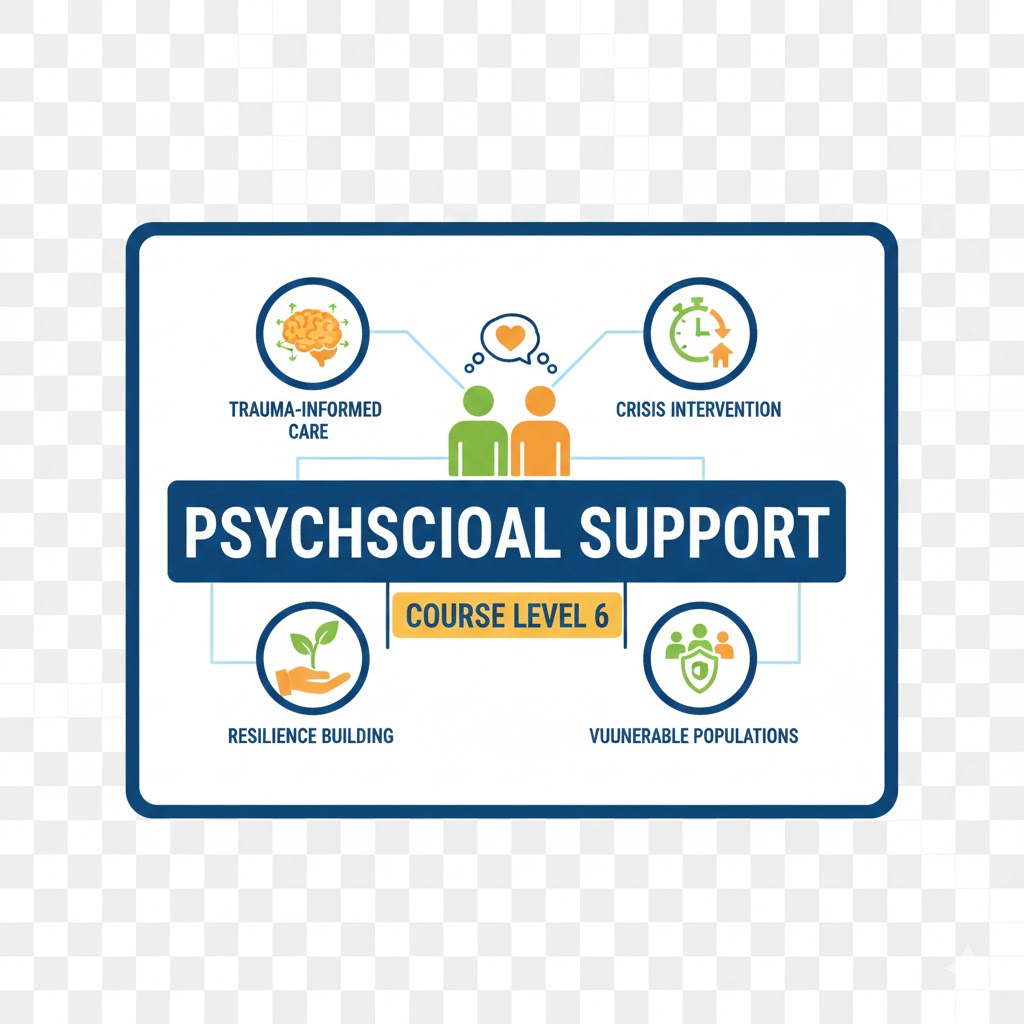
Focus: Integrating mental health care with social support to help people recover from trauma.

Core Skills:

  • Trauma Care: Healing emotional wounds without re-traumatizing.

  • Crisis Response: Immediate stabilization after disasters or shock.

  • Resilience: Teaching coping mechanisms for long-term recovery.

Goal: Train leaders to manage mental health programs in humanitarian and community settings.

The Advocacy and Lobbying course introduces Level 6 students to key concepts and skills for influencing policies and promoting social justice. It focuses on advocacy approaches, lobbying strategies, ethical practice, and effective communication with decision-makers. Students learn to analyze policies, engage stakeholders, and design advocacy initiatives aimed at achieving positive social and community change.

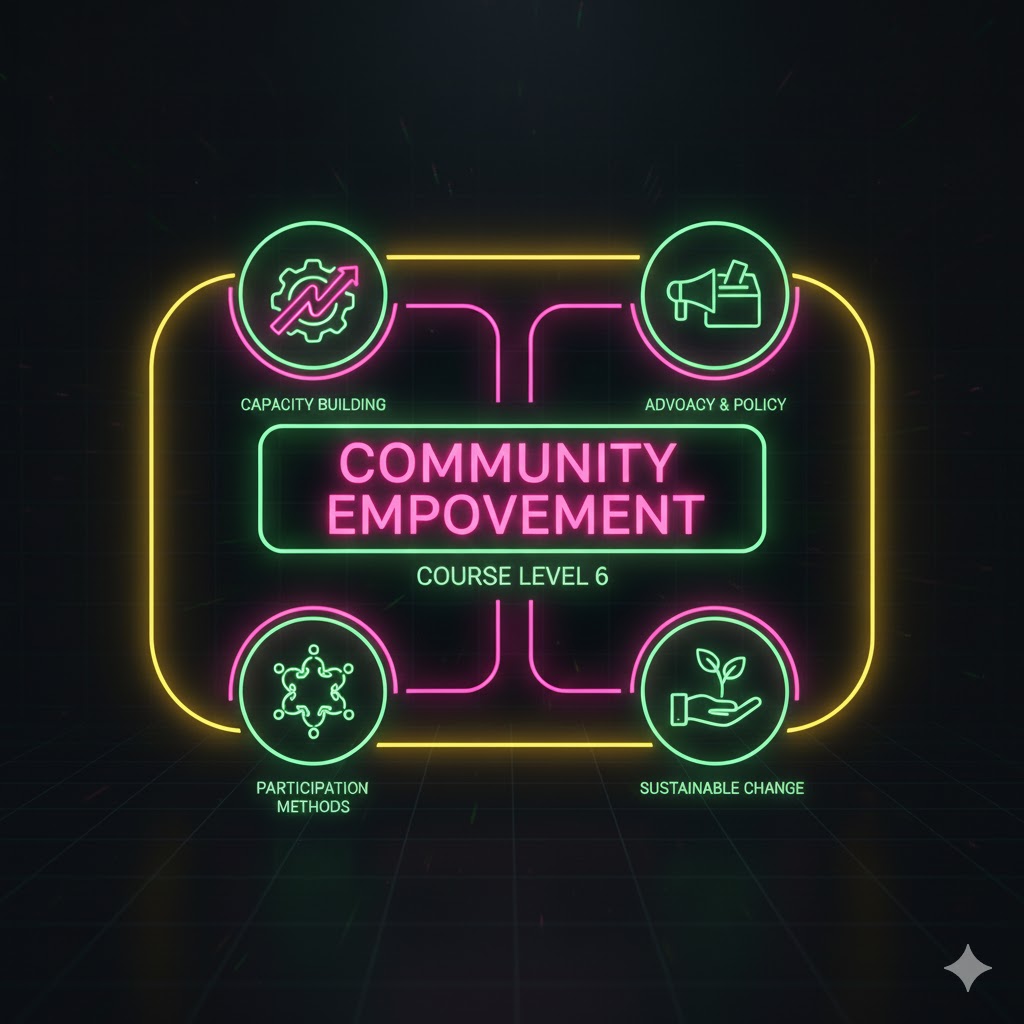
Community Empowerment (Level 6) is a strategic course designed to build self-reliant communities through advanced leadership and advocacy. It equips professionals with essential skills in capacity building to strengthen local resources, policy influence to fight for social justice, and participatory methods that ensure community-driven decision-making, ultimately facilitating sustainable, bottom-up change.

Social Rehabilitation and Reintegration (Level 6) is an advanced course designed for future leaders in social work, corrections, and community development. It focuses on the strategic management of returning marginalized individuals (e.g., offenders, addiction survivors) to society.

Key Focus Areas:

  • Strategic Planning: Designing high-level interventions for housing, employment, and behavioral change to prevent relapse or recidivism.

  • Critical Analysis: Applying sociological and psychological theories to understand the root causes of exclusion and crime.

  • System Coordination: Managing complex collaboration between police, courts, social services, and NGOs.

  • Legal & Ethical Governance: Navigating the laws and human rights issues surrounding custody and community care.

Outcome: Graduates are equipped to lead programs that successfully transform vulnerable individuals into self-sufficient, contributing citizens.

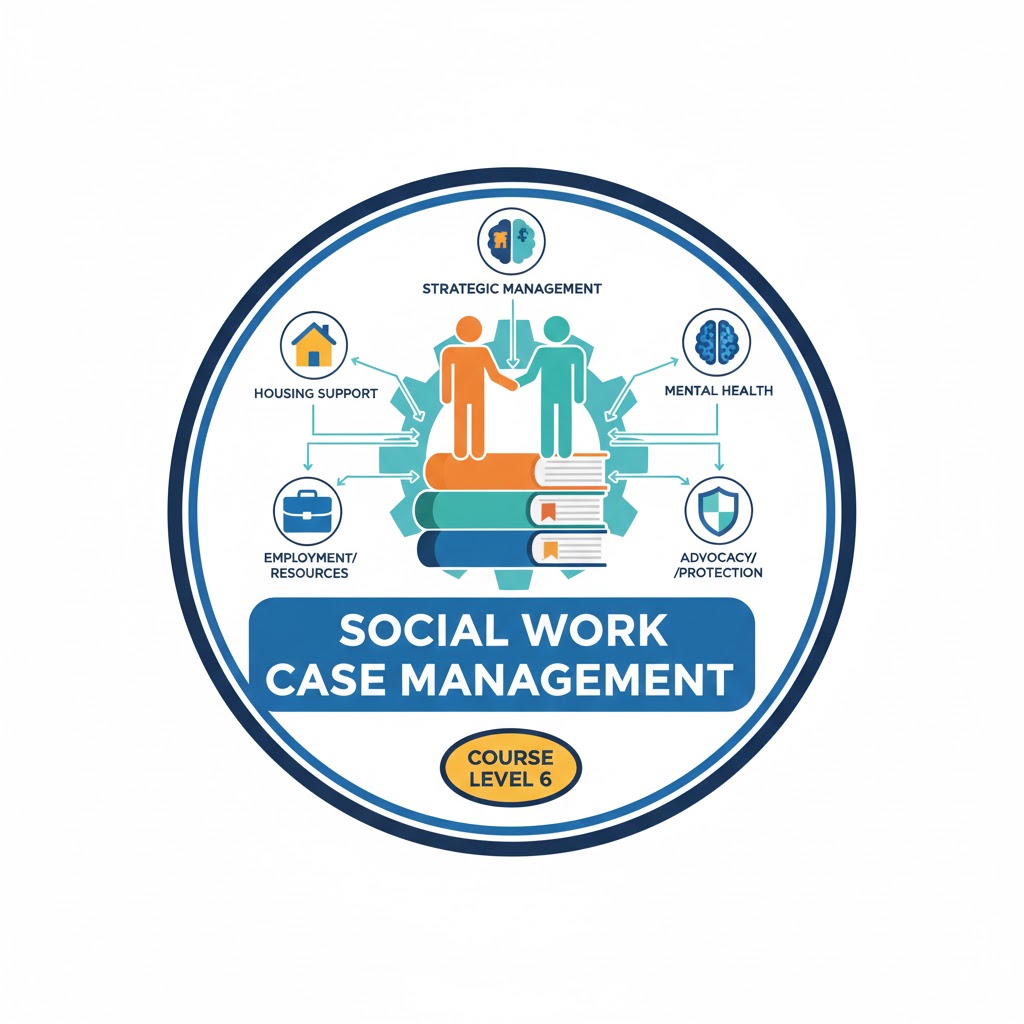
Social Work Case Management (Level 6) is an advanced course focused on the strategic coordination of care for clients with complex needs. It trains professionals to oversee the entire support process rather than just delivering basic aid.

Key Focus Areas:

  • Complex Assessment: Analyzing deep-rooted bio-psycho-social issues and risks.

  • Strategic Planning: Developing legal, long-term intervention plans.

  • Resource Mobilization: Securing funding and services across multiple agencies.

  • Monitoring & Review: managing high-risk cases to prevent relapse or harm.

Outcome: Graduates are equipped to manage heavy caseloads and supervise care plans for vulnerable populations (e.g., child protection, severe mental health).